
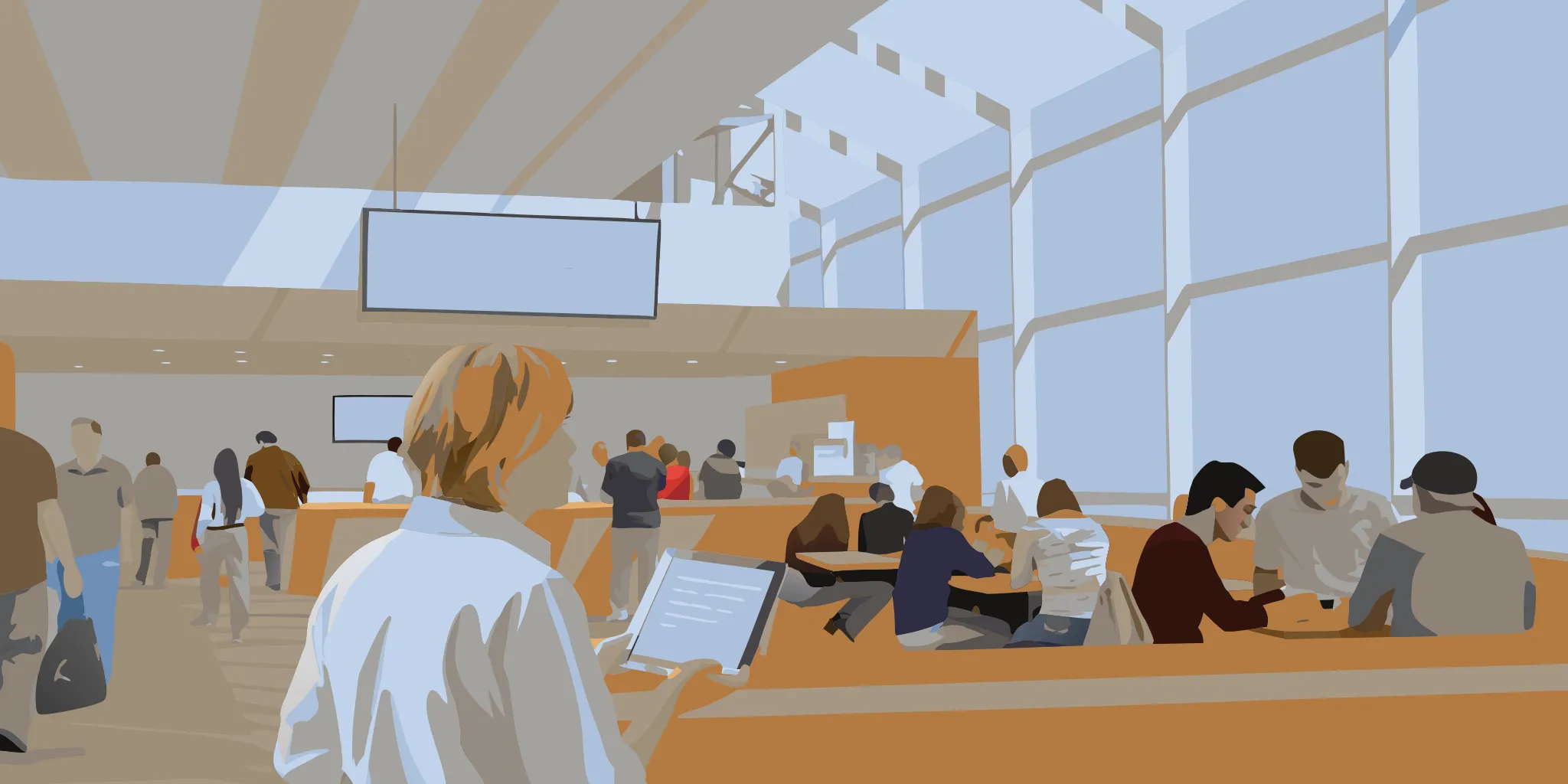
Most highway billboard views last fewer than six seconds as drivers speed past. This brief flash of attention is rarely enough to drive real brand recall. All Points Media positions your message directly inside the physical spaces where buyers spend hours.
Schedule a free place-based media consultation with All Points Media
For media buyers, what is place-based advertising is defined as a targeted strategy that delivers marketing messages inside specific real-world environments. Unlike mass out-of-home media like highway billboards, this method uses place-based out-of-home advertising to reach consumers in high-dwell locations. All Points Media operates across fifty venue categories to help brands connect with buyers during their daily routines. According to research from the MIT Sloan Management Review, location-targeted ads in these environments drive strong buyer engagement. By placing ads in venues like coffee shops, fitness centers, or colleges, brands can reach their ideal audiences with great context. This turnkey approach allows media buyers to build high-impact campaigns that capture real attention where it matters most.
To build a highly successful campaign, media buyers must first master the core mechanics of this medium. This guide starts by answering the basic question, What Is Place-Based Advertising?, to show how these targeted networks operate. From there, the guide explores venue selection, campaign costs, and performance measurement. The path begins with
What Is Place-Based Advertising?
For media buyers looking beyond broad campaigns, understanding what is place-based advertising is key to reaching busy audiences. Research from the MIT Sloan Management Review shows this strategy delivers messages to people in specific, high-engagement environments.
These are the real-world spaces where people live, work, or play. Rather than relying on broad mass-media channels, this method focuses on placing ads directly in these everyday areas. This allows brands to connect with target audiences during their normal daily routines.
By placing ads where people already spend time, brands can bypass the noise of traditional media. Using place-based media helps buyers target people who are ready to engage. This is a powerful method for reaching consumers where they live, work, and play.
The role of physical geotargeting
To make these alternative campaigns work, media buyers rely on real-world location data. A key part of this process is geotargeting. According to Maryville University, geotargeting is a strategy that finds future customers based on physical location.
This strategy allows brands to deliver highly relevant content that drives conversions. By focusing on specific physical spots, companies do not waste their advertising budget on the wrong audiences.
High dwell times in lifestyle venues
Unlike traditional billboards on busy highways, place-based ads sit inside venues where people spend a lot of time. People usually spend between 20 and 90 minutes in these targeted areas. This high dwell time gives brands a rare chance to share their message without being rushed. It also means the audience is much more likely to notice and remember the ad.
Common campaigns use everyday locations where people often gather to work, shop, or rest. These local venues offer natural chances for quiet, focused brand viewing:
- Local coffee shops and cafes
- College campuses and student unions
- Fitness centers and local gyms
- Doctor offices and healthcare clinics
Turnkey campaigns with All Points Media
Planning and launching a nationwide campaign across multiple locations can be complex. That is why media buyers partner with an expert. All Points Media is a trusted leader in alternative place-based out-of-home advertising.
With over 30 years of experience, All Points Media has built a massive footprint that spans over 50 venue categories. This vast network allows brands to execute highly targeted campaigns on a national scale.
From initial planning and venue selection to print production and physical setup, All Points Media handles every step. This turnkey service ensures that campaigns run smoothly without putting a heavy burden on your internal team. By handling both custom network building and detailed performance reporting, All Points Media makes alternative media buying simple, reliable, and highly effective.
How Place-Based Advertising Differs From Traditional OOH and Retail Media
Media buyers often ask what is place-based advertising and how it compares to other channels. While mass out-of-home media targets large crowds on highways, place-based options focus on specific venues. This approach reaches consumers during daily habits. Knowing the benefits of place-based media helps buyers build more precise campaigns.
Contrasting scale and contextual focus
Mass out-of-home media like billboards aims for huge reach. Retail media focuses on the point of sale to drive quick buying. Place-based media sits in a unique space between them. For instance, research from MIT Sloan shows the value of location-targeted media. Reaching consumers in specific spaces keeps them highly engaged.
This active focus comes from high dwell times. In place-based venues, people spend about 20 to 90 minutes. This gives them time to look at ads. Physical shops also hold great value. For example, some studies show that 81% of Gen Z consumers prefer to shop in physical stores.
Shopping malls are a prime example of this retail reach. Research shows that 41% of US residents aged 16 and older noticed mall ads in a single month. Unlike online pop-ups, these physical ads are part of the landscape. They reach buyers who are ready to spend.
Retail media is powerful, but it is limited to the point of purchase. Place-based media is different because it reaches people in social spaces. This includes spots like coffee shops, golf courses, or fitness centers. By using these everyday venues, brands can build trust with people during their free time.
Campaign length and buying flexibility
Standard out-of-home campaigns often run for a set four-week block. This rigid timeline can restrict fast-moving brands. Digital place-based networks offer much more freedom. Brands can buy shorter ad flights or adjust creative on the fly.
Digital formats also support smart features like dayparting. This tool lets brands show ads only when views are high. All Points Media helps brands use these smart tools. The company builds custom, turnkey networks to place ads for maximum impact.
Place-based media uses precise targeting to reach niche groups in closed spaces. This helps drive sales, as explained by Maryville University.
All Points Media sets up these campaigns across the nation. Media buyers do not have to settle for rigid, pre-set networks. Instead, All Points Media works with clients to build custom networks. This ensures your message is shown right where your audience gathers.
| Feature | Traditional OOH | Retail Media | Place-Based OOH |
|---|---|---|---|
| Placement | Highways and transit hubs | Stores and checkout lines | Targeted everyday lifestyle venues |
| Audience Targeting | Broad demographic groups | Active shoppers in-store | Niche communities and custom profiles |
| Dwell Time | Very short, often under ten seconds | Moderate while shopping | Long, typically 20 to 90 minutes |
| Campaign Length | Standard four-week terms | Tied to store promotional cycles | Highly flexible with digital options |
| Primary Measurement | Estimated traffic counts | Direct store sales lift | Footfall and brand lift studies |
The Venue Categories That Power Place-Based Campaigns
All Points Media stands apart in the outdoor media space by offering access to over 50 alternative venue categories. For media buyers asking what is place-based advertising, these niche channels are key. They put ads directly in front of people as they go about their day.
While standard billboards sit along busy highways, these niche formats reach crowds in physical locations where they spend much of their day. By picking the right setting, brands can match their ads to what their audience is doing at that exact moment.
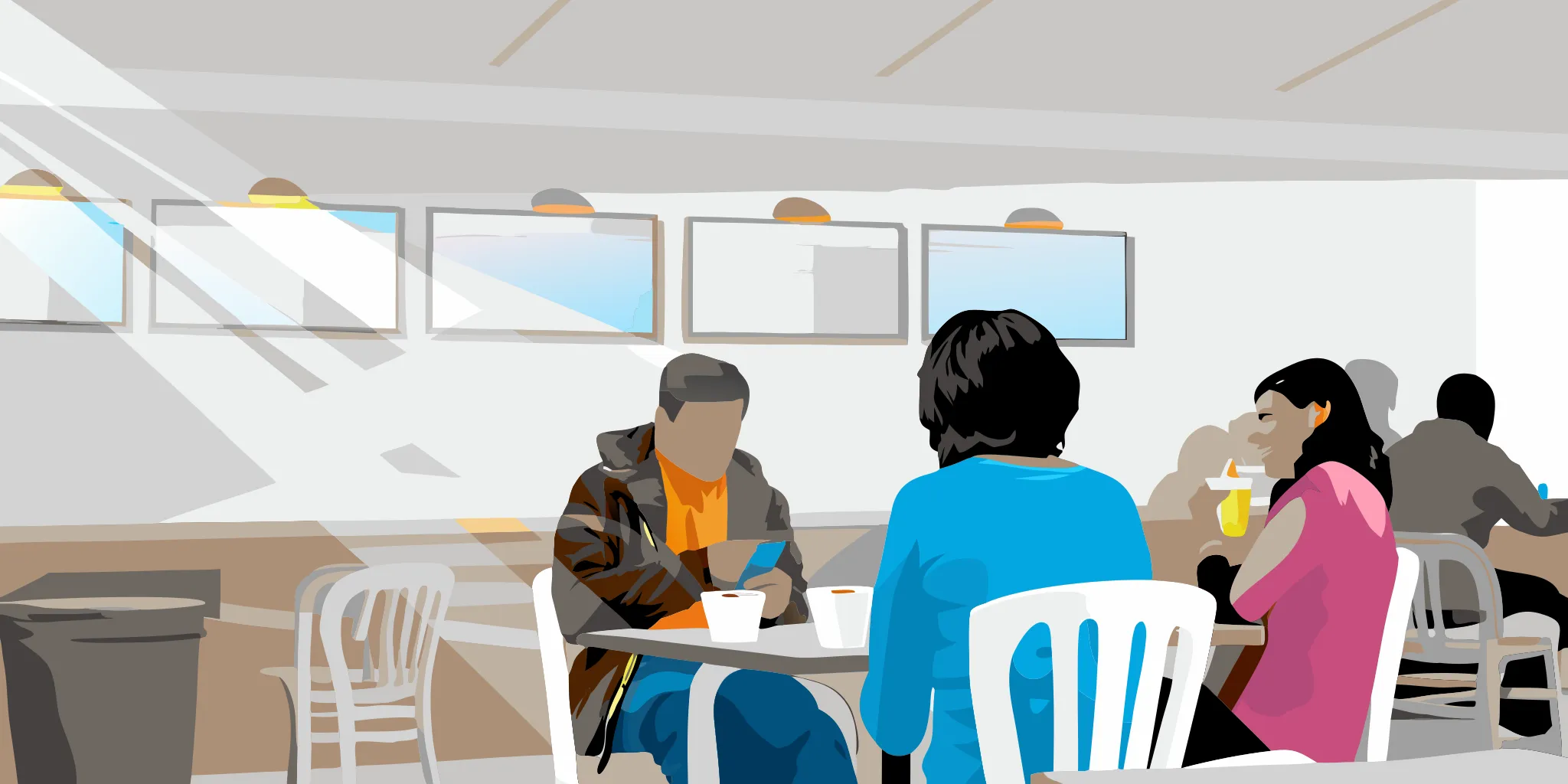
Mapping categories to consumer intent
To get the best results, media buyers must map their goals to the habits of their audience. This step helps brands show ads to people when their minds are ready for the message. For example, a business that wants to reach busy parents might choose grocery store advertising. In these stores, shoppers make real-time choices about what to buy for their homes.
Other daily routines offer unique ways to connect with local crowds. A brand aiming for a relaxed crowd can use coffee shop advertising during a morning break. To reach active people with high incomes, campaigns on golf courses reach players who spend several hours in a focused state of mind. This setting acts as a filter to help media buyers speak to a specific crowd.
Everyday lifestyle and health environments
Other spaces like fitness centers, laundromats, zoos, and doctors' offices let brands connect with people during their weekly tasks. In a gym or a clinic, people often spend a lot of time waiting or resting. This high dwell time makes these locations ideal for place-based campaigns. By choosing these special settings, media buyers can reach specific groups in places where their ads get full attention.
High recall in transit and retail hubs
High-traffic areas like airports and shopping malls offer massive scale for place-based campaigns. Because these spaces offer long dwell times, travelers often spend much time waiting at gates. This dwell time helps nearly half of frequent flyers recall airport ads when making a buy decision. Being in these premium spaces helps a brand stay in a buyer's mind.
In the same way, shopping centers serve as vital hubs where consumers connect with brands. Data shows that forty-one percent of people noticed mall ads in the past month. These hubs put messages directly in the path of shoppers who are ready to buy. Research from the MIT Sloan School of Management shows that this media reaches people where they live, work, and play.
Digital Formats: Making Place-Based Advertising Interactive
When media buyers ask what is place-based advertising in the modern era, they often look first at digital formats. Simple paper posters still work well. But digital out-of-home screens bring new tools to physical spaces. Digital kiosks, tablets, and panels let brands speak to people in real time. These tools turn standard ads into active points. They help brands connect with people during high-dwell moments. By mixing the physical world with the digital world, brands can engage people when they are relaxed and open to messages. Buyers can now track how well their campaigns do in real time. This makes it easier to measure and adjust media spend on the fly.Dynamic targeting with DOOH
Digital formats give media buyers more options. Unlike static signs that stay up for four weeks, digital screens allow for dayparting to match audience habits. This means brands can show ads only when people are most likely to notice them. Buyers can run short-term flights or change messages on the fly. This strategy relies on finding people based on where they are. As noted in research on geotargeting from Maryville University, finding likely customers by physical location helps brands drive real results.Interactive elements and QR codes
Interactive tech takes digital campaigns a step further. Digital place-based formats can use dynamic, data-driven elements to boost engagement. Screens can support 3D art, live data feeds, and augmented reality. For example, a screen can show live local sports scores or changing weather updates. These features grab attention far better than flat ads. They turn a simple display into a memorable event. Adding QR codes and social media links lets brands see how well their ads work. When a viewer scans a QR code with a phone, the brand gets fast data. This scan can lead to a sign-up form, a special coupon, or a social page. These tools offer deep layers of insight into how people engage with the campaign. Instead of guessing, media buyers can track real actions. This makes digital campaigns highly trackable.The APM digital network
All Points Media helps brands use these tools through its modern network, APM Digital powered by Impactivate. This network places clear, bright screens in top venues with high foot traffic. It gives buyers access to premier digital place-based advertising networks across the country. Brands can run clean, dynamic creative that stands out. The turnkey service covers everything from design to tracking. This lets brands focus on growth while the network handles the details.How to Measure a Place-Based Advertising Campaign
When planning an outdoor campaign, media buyers must know what is place-based advertising and how to track its success. Tracking these campaigns needs a shift from broad impressions to precise, location-based results. To assess the benefits of place-based media, you need a clear framework for tracking and attribution.
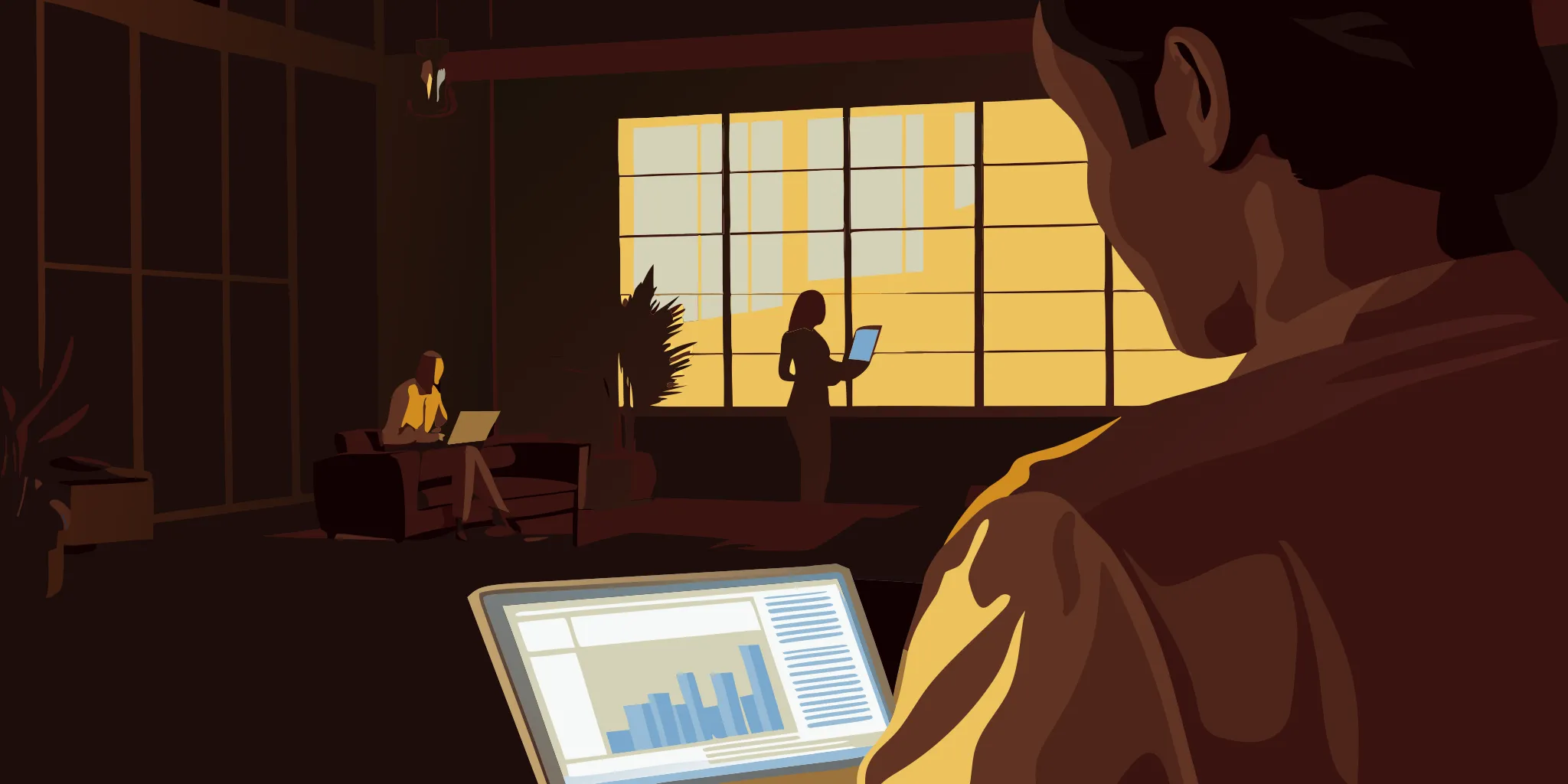
Core metrics for campaign success
Modern media planning relies on solid data to prove campaign value. Today, place-based advertising success can be measured through various key performance indicators (KPIs). These metrics include brand lift, sales lift, tune-in rates, and footfall attribution (Outfront). Brand lift studies show how well an ad changes consumer awareness. Sales lift tracks actual buying growth during the campaign. For TV brands, tune-in rates measure how many people watch a new show or event after seeing the signage. Footfall attribution uses mobile data to track real store visits. Together, these tools give media buyers a full view of campaign impact.
Typical costs and venue pricing
Pricing for these campaigns varies based on the venue type and location. Market data shows that a common CPM for place-based advertising ranges between $5 and $25 (AdQuick). This varied cost structure allows brands to scale their spend across other locations. For example, high-traffic transit hubs or sports arenas may command higher rates than local coffee shops. These campaigns deliver ads in specific high-engagement environments where people live, work, and play (MIT Sloan Management Review). This targeted reach explains the cost. This focused approach helps brands reduce waste compared to mass-market billboards. Media buyers can select spaces that match their target demographics, which keeps costs low.
Mobile and digital attribution layers
To capture real-time actions, modern campaigns use interactive tools. For example, QR codes and social media integrations in place-based campaigns provide useful layers of insight for tracking campaign engagement (Outfront). When a consumer scans a QR code on a gym panel or restaurant poster, they create a direct digital trace. This link lets brands track landing page visits, coupon downloads, or form submissions right away.
To make this data useful, All Points Media provides detailed proof-of-performance reporting. As part of a full-service turnkey program, All Points Media tracks all active screens and signs to verify ad delivery. This reporting combines real campaign proof with digital engagement metrics. Media buyers receive clear, verified updates that show how the campaign worked. By linking physical ads with mobile data, you can see exactly how the audience responds.
When Should Media Buyers Use Place-Based Advertising?
Media buyers should use this media when broad ad channels fail to hit certain groups of people. When planning campaigns, buyers must weigh the benefits of place-based media to see how it fits. When media buyers ask what is place-based advertising, they find that it works best when reaching people during daily tasks. All Points Media helps brands build custom networks to reach these exact spaces.
Hyper-local targeting needs
Brands often need to reach buyers in certain towns or cities. For these campaigns, geotargeting is a key tool. Studies on what is geotargeting show that finding buyers by their exact spot drives more sales.
This approach works well for local banks, clinics, and retail stores. Instead of buying broad ads that waste budget, buyers can focus on specific spots. All Points Media places ads in venues like local coffee shops and fitness centers. This lets brands reach local crowds without any waste.
High-dwell lifestyle environments
Some products need more explanation than a simple billboard can give. When a brand has a complex message, it needs a space where people have time to read. People often spend about 20 to 90 minutes in venues with place-based media.
This long dwell time gives brands a rare chance to share clear facts. Folks waiting for a flight or sitting in a salon have time to look. This makes these spots perfect for alternative place-based OOH solutions that use QR codes. Readers can scan the ad, visit a site, and learn more while they wait. All Points Media builds these custom networks to match these lifestyle habits.
Reaching Gen Z shoppers in person
Many buyers think that young shoppers only buy things online. But real data shows a different trend for younger groups. About four-fifths of Gen-Z shoppers prefer to shop in a physical store rather than online.
This means that retail spaces and nearby venues are still very useful. Brands can place ads right where these young buyers spend their time and money. All Points Media has deep roots in these brick-and-mortar spots. Buyers can use these spots to build real-world connections that digital ads cannot match.
Reaching buyers beyond the checkout lane
Most ads hit buyers when they are already at the point of sale. But place-based ads reach people when they are relaxed and open to new ideas. This is key for brands that want to build long-term trust rather than just quick sales.
By placing ads in fun spots like golf courses or sports arenas, brands connect with people during their favorite sports. All Points Media sets up campaigns in these lifestyle hubs across the country. This helps media buyers weave their brands into the daily lives of their target groups.
Call (503) 626-0669 now to build your custom place-based advertising network
Frequently Asked Questions
How long should a place-based ad campaign last?
A standard campaign runs for four weeks. However, digital options let you choose shorter runs or show ads only during the best hours. According to OUTFRONT, this tactic helps you reach the right crowd when they are most likely to see your ad. This makes your campaign more efficient.
Can place-based advertising be targeted to specific audiences?
Yes, media buyers can target specific groups of people based on where they spend their time. For example, brands use geotargeting to find potential customers in physical areas that fit their needs. A study from Maryville University shows that this location-based approach drives conversions because the ads are highly relevant. This allows you to focus your ad budget on high-value spots.
Can place-based ads include interactive or digital elements?
Yes, digital place-based ads offer many ways to interact with consumers. Modern screens can use 3D visual designs, live data, and even augmented reality to draw people in. Industry reports from OUTFRONT show that QR codes and social media links also give you useful ways to see how people connect with your brand. These features make your signs much more engaging than static billboards.
How can I measure the effectiveness of my place-based ad campaign?
You can track campaign success through several clear metrics. Brands often measure brand lift, store visits, sales growth, and tune-in rates. Data from OUTFRONT shows that QR codes and social media tools provide direct proof of consumer action. These tools help media buyers see exactly how well their offline ads drive online responses and sales.
Build a Custom Place-Based Advertising Network
Waiting to start your place-based campaign keeps your brand completely unseen in high-dwell local venues where active buyers spend hours and make their daily choices. Starting your media planning today lets you easily lock in these premium spots first, keeping rival brands from taking over your best target markets. All Points Media handles the entire turnkey campaign setup from site selection to print production and nationwide installation to make your campaign launch simple and successful.
Ready to build your custom network? Contact the experts at All Points Media today to start planning your campaign and secure the best local spaces in your target markets. Call (503) 626-0669 to build a custom place-based advertising network for your next campaign now.