
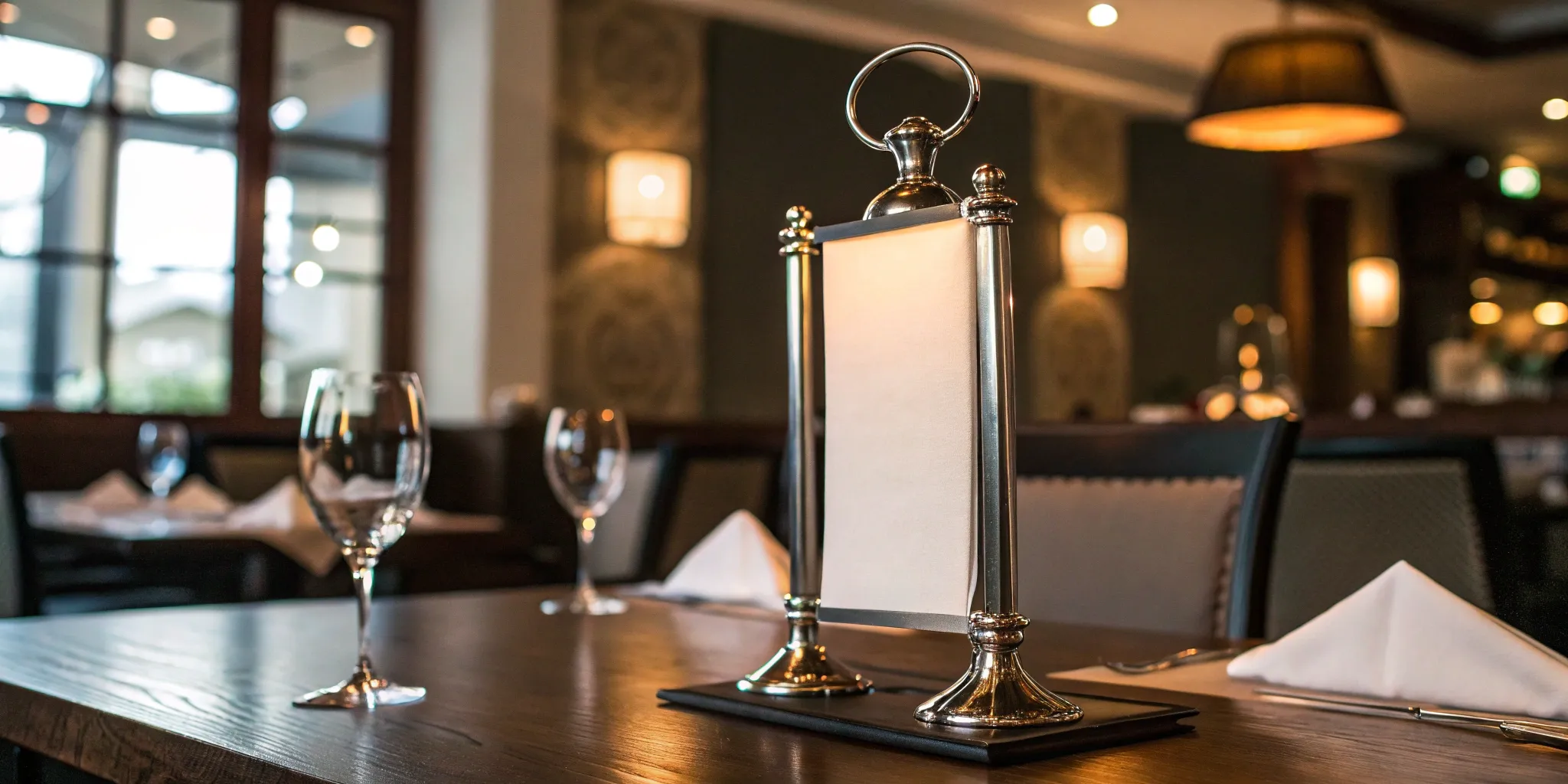
Think of the most effective advertising you’ve seen. It probably felt personal, timely, and perfectly placed. That’s the goal of any great campaign, and it’s surprisingly achievable with a classic tool: the table tent. These mini-billboards are your silent salespeople, working in high-dwell environments like cafes, waiting rooms, and fitness centers. They deliver a targeted message directly at eye level. While the printed insert gets all the creative attention, the unsung hero is the hardware itself. Choosing the right table tent holders is a strategic decision that impacts brand perception, campaign durability, and overall effectiveness. This guide will walk you through everything you need to know.
Key Takeaways
- Think of Them as Mini-Billboards: A table tent is a direct line to a captive audience. Use it to turn passive wait time in places like cafes or waiting rooms into a valuable opportunity to connect with customers when they are most receptive.
- The Holder is Part of the Ad: The quality, material, and stability of your holder send a message about your brand. Choose a durable holder that fits the venue's style to ensure your campaign looks professional and is taken seriously.
- Clarity and Placement Are Everything: The most effective table tents have a single, clear call to action and are placed directly in the customer's line of sight. Avoid cluttered designs and hidden placements to make sure your message gets seen and understood.
What Exactly Is a Table Tent Holder?
Think of a table tent as a miniature billboard, placed directly in your customer’s line of sight. It’s a simple, self-standing display that sits on tables, counters, and other flat surfaces, delivering a message when your audience is most receptive. While they’re a staple in restaurants, their power extends far beyond menus. As a form of place-based media, table tents capture attention in high-dwell environments where people are relaxed and engaged—from cafe tables and hotel lobbies to waiting rooms and checkout counters. They turn passive wait time into an active opportunity for connection.
These versatile displays, also known as table talkers, are designed to hold printed inserts. The holder itself provides the structure and stability, ensuring your message stands tall and looks professional. It’s the unsung hero that makes the whole setup work, protecting your marketing materials while presenting them in a clean, accessible way.
Defining the table tent and its purpose
At its core, a table tent is a promotional tool designed to present information clearly and conveniently. Its primary purpose is to communicate a specific message directly to people at eye level. This could be anything from a restaurant’s daily specials or drink menu to a QR code for a digital survey. In a retail setting, it might announce a limited-time sale. In a doctor's office, it could share important health information.
The beauty of a table tent is its simplicity and directness. It doesn’t compete for attention like a digital ad; it sits patiently, waiting for the right moment to engage. It’s a physical touchpoint in an increasingly digital world, offering a tangible way to share information and guide customer actions.
How they function in a business setting
In a business environment, table tents are your secret weapon for targeted messaging. They allow you to speak directly to a captive audience, delivering a message tailored to their specific context. By placing a well-designed table tent in front of someone, you can effectively influence their decisions and enhance their experience. For example, you can use them to feature high-margin items to increase sales, promote a new loyalty program, or drive traffic to your social media pages.
This direct line of communication helps you build a deeper connection with your customers. Instead of just transacting, you’re engaging. You can inform them about upcoming events, share your brand’s story, or simply offer a helpful tip. It’s a subtle yet powerful way to keep your brand top-of-mind and create a professional, cohesive atmosphere in any venue.
What Are Your Table Tent Holder Options?
Once you’ve decided to add table tents to your marketing mix, the next step is choosing the right hardware. The holder you select does more than just prop up a piece of paper; it frames your message and contributes to the overall brand experience in the venue. Think of it as part of the creative itself. The main things to consider are the material, display style, size, and potential for customization. Let’s walk through the options so you can find the perfect fit for your campaign.
A look at materials: acrylic, plastic, wood, and metal
The material of your holder sets the tone for your entire display. Wood is a popular choice for its sturdy, natural feel, bringing a sense of warmth or rustic charm to a table. It works beautifully in cafes, pubs, and upscale restaurants. For a more modern and clean look, acrylic is an excellent option. Its clear, 'barely there' appearance ensures your ad is the star of the show and is perfect for displaying two-sided inserts. You can also find table tent holders that mix materials, like a wooden base with an acrylic panel, to get the best of both worlds. While less common, metal and plastic are also available, offering sleek industrial or budget-friendly alternatives.
Choosing a style: single-sided vs. double-sided
How you want to display your message will determine the style of holder you need. Single-sided holders, often called L-frames, are great for placements where the back won't be seen, like at a host stand or against a wall. The real workhorse of tabletop advertising, however, is the double-sided holder. These T-frame or A-frame styles allow you to capture attention from multiple directions, effectively doubling your ad space with a single unit. This is the most efficient choice for center-of-the-table placements in restaurants or on check-in counters. Many clear acrylic table tents are designed specifically for this two-in-one functionality, giving you maximum visibility for your investment.
Finding the right size for your content
Bigger isn’t always better when it comes to table tents. The right size depends on your message and the environment. You need enough space to communicate your message clearly without overwhelming the table. Common insert sizes include 4x6", 5x7", and 8.5x5.5", but it’s crucial to match the holder to your creative. Before you choose, think about the content. A simple QR code and headline might only need a small footprint, while a detailed promotion or menu special requires more room. It’s helpful to familiarize yourself with standard paper sizes to ensure your design fits perfectly. Also, consider the context—a massive holder on a small two-person bistro table can feel intrusive.
Exploring custom shapes and branding
If you want your display to truly stand out, look beyond standard rectangular holders. Many suppliers offer custom options that can turn a simple sign holder into a memorable brand statement. You can get holders cut into unique shapes that reflect your logo, a product silhouette, or a campaign theme. This is a fantastic way to make your creative pop. You can also add branding directly to the holder itself, such as laser-engraving a logo onto a wooden base. This adds a premium, permanent touch that reinforces brand quality. These custom details are a key advantage of place-based media, allowing your campaign to feel fully integrated into the venue’s atmosphere.
Why Should Your Business Use Table Tent Holders?
In a world saturated with digital ads, sometimes the most effective way to reach people is to meet them where they are. Table tent holders are a simple yet powerful tool in your marketing arsenal, offering a direct line of communication to a captive audience. They turn any flat surface—from a restaurant table to a waiting room counter—into a prime advertising spot. Let's explore why this classic medium delivers real results.
Make your promotions and specials stand out
Think of table tents as mini-billboards placed directly at your customer's eye level. In high-dwell environments where people are relaxed and receptive, these displays are almost impossible to ignore. While a customer waits for their coffee or sits in a doctor's office, your message is right there, cutting through the digital clutter on their phones. This is the core of effective place-based media: connecting with consumers during meaningful moments. A well-designed table tent can highlight a new menu item, promote an upcoming event, or share a special offer in a way that feels personal and immediate, ensuring your promotion gets the attention it deserves.
Get more marketing for your money
For media buyers and brand managers focused on ROI, table tent holders offer incredible value. The holders themselves are a one-time investment that can be used for countless campaigns, while the printed inserts are inexpensive to produce, even in small batches. This low cost per unit allows you to achieve widespread visibility without draining your budget. When you place them in targeted, high-traffic locations, you're not just advertising; you're creating a cost-effective network that delivers repeated impressions to a relevant audience. This approach ensures every dollar you spend works harder to generate awareness and drive action, making it a smart addition to any integrated marketing strategy.
Create a professional, consistent brand image
Your brand's presentation matters, and every touchpoint is an opportunity to build trust. A sleek, sturdy table tent holder does more than just display a message; it reinforces your brand's commitment to quality. Using flimsy, cheap-looking materials can inadvertently send the wrong signal. By choosing high-quality holders and pairing them with professionally designed inserts, you create a cohesive and polished brand experience. For businesses with multiple locations, this consistency is key to building strong brand recognition. It assures customers that they can expect the same level of quality and service, no matter where they encounter your brand.
Update your messaging in minutes
One of the biggest advantages of table tent holders is their flexibility. Need to promote a flash sale, a seasonal special, or a last-minute event? Simply print new inserts and swap them out. This agility allows you to keep your marketing fresh and responsive to real-time opportunities without the long lead times or high costs associated with other advertising formats. You can easily tailor your message for different locations, demographics, or times of day, enabling highly targeted campaigns. This ability to deliver the right message to the right audience at the right time makes table tents an incredibly dynamic and effective tool for driving immediate customer engagement.
How to Choose the Perfect Table Tent Holder
Selecting the right table tent holder might seem like a small detail, but it’s a crucial part of a successful place-based advertising campaign. The holder is the frame for your message; it ensures your ad is seen, protects your investment in printing, and reflects the quality of the brand you’re representing. A flimsy, poorly chosen holder can undermine an otherwise brilliant campaign. To make sure your message lands perfectly every time, let’s walk through the four key factors to consider when making your choice.
Evaluate material quality and durability
The first thing to look at is what the holder is made of. The material sets the tone for your display and determines how well it will hold up over time. You’ll want to pick materials that not only match the venue’s style but are also built to last. A sleek acrylic holder might be perfect for a modern medical office, while a warm wooden one could feel right at home in a cozy cafe. The goal is to choose a holder that feels like a natural part of the environment. More importantly, a durable holder means you won’t be constantly replacing units that get cracked or broken in high-traffic areas, ensuring your campaign always looks professional.
Assess the stability and overall design
A table tent that keeps falling over is an ad that no one will see. The stability of your holder is non-negotiable. Look for a wide, sturdy base that can withstand accidental bumps, especially in busy environments like restaurants or fitness centers. The overall design also plays a key role in your ad’s performance. A clunky or oversized frame can distract from the insert, while a minimalist design keeps the focus squarely on your message. While it’s tempting to cram multiple offers onto an insert, the holder’s design should support a clean, clear message that’s easy for customers to absorb at a glance.
Match the holder size to your inserts
This might sound obvious, but it’s a common and easily avoidable mistake. Before you place a bulk order for holders, you need to be certain they are the correct size for your printed advertisements. An insert that’s too small will slide around and look sloppy, while one that’s too big simply won’t fit. To avoid any confusion, especially with double-sided displays, you should confirm the exact dimensions of the viewable area. Standardizing your insert size (like 4x6 or 5x7 inches) across campaigns will make ordering the right display solutions much simpler in the future.
Consider your budget and long-term value
While upfront cost is always a factor, it’s more effective to think in terms of long-term value. The cheapest option isn’t always the most cost-effective. Flimsy plastic holders might save you money initially, but they often need to be replaced frequently, adding to your costs and administrative hassle over the life of a campaign. Investing in a slightly more expensive but significantly more durable holder can be a smarter financial decision. A quality holder protects your printed inserts from spills and wear, extending their life and presenting your brand in the best possible light. It’s an investment in consistency and professionalism.
Common Table Tent Mistakes (and How to Avoid Them)
You’ve invested in a great concept and selected the perfect holders for your campaign. Now comes the most critical part: execution. Even the most brilliant strategy can be undermined by small, avoidable errors. Think of your table tent as a silent salesperson; if it’s messy, confusing, or in the wrong place, it’s not going to close any deals. The difference between a campaign that generates buzz and one that gets ignored often comes down to a few key details.
Fortunately, these common mistakes are easy to sidestep once you know what to look for. From cluttered designs that overwhelm customers to poor placement that renders your message invisible, these pitfalls can quietly sabotage your return on investment. By taking a moment to audit your approach, you can ensure your message is seen, understood, and acted upon. Let’s walk through the most frequent missteps and how you can correct them to give your campaign the best possible chance for success. Following a few simple design principles can make all the difference.
Overcrowding your design with too much information
Your table tent is not a brochure. Its biggest strength is its ability to deliver a quick, impactful message to a captive audience. The most common mistake is trying to say too much at once. Cramming four or five different offers, paragraphs of text, and multiple images onto a small 4x6-inch space will only create visual noise. Viewers will feel overwhelmed and simply tune it out. Instead, focus on a single, compelling idea. A strong campaign has one clear goal, whether it’s promoting a new drink special, encouraging app downloads, or highlighting an upcoming event. Use a bold headline, a high-quality image, and a direct call to action. Keep your copy concise and scannable.
Placing them where no one will see them
A brilliant message is useless if it’s invisible. Placement is just as crucial as the design itself. Don’t just drop your table tents on any available surface. Think strategically about customer sightlines and high-traffic areas within the venue. Are the tents facing the direction where people will be sitting? Are they positioned in a well-lit spot or hidden in a dark corner? This is the core of effective place-based media—reaching consumers at the right time and in the right place. Take a moment to sit where your customers sit and see where your eyes naturally land. That’s where your table tent should be.
Neglecting upkeep and brand consistency
A stained, torn, or outdated table tent sends a negative message about your brand. It suggests a lack of attention to detail and can erode customer trust. Make sure someone is responsible for regularly checking the condition of your displays, wiping them down, and replacing any that are worn out. Just as important is ensuring the information is accurate—a table tent advertising a price of $12.99 when the menu says $13.99 creates confusion and frustration. This extends to your visual identity. Using a low-resolution logo or colors that clash with your established palette undermines your brand consistency and makes your promotion look unprofessional.
Choosing a size or material that doesn't fit
The physical presence of your table tent holder should complement its environment, not compete with it. A massive, bulky holder on a small two-person café table can feel intrusive and annoying. Conversely, a tiny, flimsy paper tent can get completely lost in a spacious, busy restaurant lobby. The size and material you choose must feel appropriate for the venue and your brand. A high-end steakhouse calls for a sturdy, premium holder made of wood or metal, while a casual fast-food spot might be better suited for a durable acrylic display. The holder is part of the message, so make sure it aligns with the quality and professionalism you want to project.
Putting Your Table Tents to Work
Once you’ve chosen the perfect holder, the real work begins. A great table tent is more than just a piece of acrylic or wood; it’s a powerful communication tool that needs a smart strategy to deliver results. From the initial design of your insert to its placement on the table and ongoing upkeep, every detail matters. Getting these elements right ensures your message not only gets seen but also resonates with your audience, prompting them to take action.
Think of your table tents as silent salespeople working for you around the clock. To make them effective, you need to equip them with compelling content, place them in the right locations, and keep them looking sharp. Let’s walk through the practical steps to deploy your table tents for maximum impact, turning them from simple tabletop displays into key drivers of your marketing campaigns in any high-dwell environment.
Where to buy quality table tent holders
Finding the right holders is your first step. For standard options, online retailers offer a huge variety. Sites like Shopdaddy-Studio, for example, carry dozens of styles in materials like wood and acrylic, making it easy to find something that fits your brand’s aesthetic. If you need something unique, like a custom shape or a specific color, working with a specialty display fabricator is your best bet. For brands and agencies running larger campaigns, a full-service advertising partner can manage the entire sourcing and production process, ensuring quality and consistency across hundreds or thousands of locations. This saves you the logistical headache of vetting suppliers and coordinating shipments.
Best practices for setup and placement
Where you place your table tents is just as important as what’s on them. The goal is to integrate them into the environment naturally without creating clutter. Consider the available tabletop real estate and the customer's line of sight. In a restaurant, the center of the table is prime territory. In a gym lobby or a doctor's waiting room, place them on reception desks and side tables where people pause. Don't be afraid to think beyond the table; a well-placed holder near a point-of-sale system can drive last-minute decisions. The key is to place your message within the customer's immediate view in these high-engagement environments where they have time to absorb it.
Designing content that engages customers
Your table tent has seconds to grab attention, so your design needs to be clean, clear, and compelling. Focus on a single, powerful message. Are you promoting a new product, a limited-time offer, or a QR code to download an app? Make that the hero of your design. Use bold headlines, high-quality images, and your brand colors to create a visually appealing insert. One of the most common mistakes is cramming too much information onto a small card. Resist the urge to list multiple offers; a cluttered design is an ignored design. Keep it simple and direct to deliver your targeted message effectively.
Simple care and maintenance instructions
A dirty, scuffed, or outdated table tent reflects poorly on your brand. Regular maintenance is essential to keep your displays looking professional. Schedule weekly wipe-downs with a gentle cleaner appropriate for the material—a simple damp cloth often does the trick for acrylic. Instruct staff to check for damage, like cracks or chips, and replace any worn-out holders promptly. It’s also crucial to have a system for updating the inserts. Outdated promotions can frustrate customers and undermine your credibility. By keeping your holders clean and your content current, you ensure they remain an effective and professional asset for your business.
Related Articles
- Brochure-Holder-Display-Template - Digital Out of Home Advertising-All Points Media
- Out of Home Place Based Media Advertising
Frequently Asked Questions
How often should I update the message in my table tents? There isn't a single magic number, but a good rule of thumb is to keep your content as fresh as your campaigns. If you're running monthly promotions, update them monthly. If your message is more evergreen, like encouraging social media follows, you can leave it longer but consider a design refresh every quarter to keep it from becoming part of the scenery. The key is to ensure the information is always current and relevant to prevent customer confusion.
Is it better to use a simple folded card or an actual holder? While a folded piece of cardstock might seem like an easy shortcut, investing in a proper holder is always the better long-term strategy. A sturdy holder protects your printed insert from spills, rips, and general wear and tear, ensuring your message always looks sharp. It also adds a level of professionalism that a flimsy piece of paper just can't match, reinforcing the quality of your brand and making your message feel more permanent and credible.
What's the single biggest mistake people make with table tent design? Without a doubt, the most common mistake is trying to say too much. A table tent is a glance medium, not a brochure. When you cram it with multiple offers, long sentences, and competing images, you overwhelm the viewer and they end up reading nothing at all. The most effective designs focus on one clear goal, use a powerful headline, and include a simple call to action.
How do I choose between wood and acrylic holders? The right material really comes down to the atmosphere of the venue and the personality of your brand. Wood holders bring a sense of warmth, stability, and rustic or premium quality, making them perfect for cozy cafes, pubs, or upscale restaurants. Clear acrylic holders offer a modern, clean look that puts all the focus on your printed message. They are incredibly versatile and fit seamlessly into almost any environment, from a doctor's office to a retail counter.
Besides restaurant tables, where are some other effective places to use table tents? Think about any place where people have a few moments of dwell time. They are incredibly effective on reception desks in hotels, fitness centers, and medical offices. You can also place them on counters in retail stores near the checkout, in waiting room areas, on lobby coffee tables, or at service desks. Any flat surface where a potential customer might pause is a prime opportunity to share a targeted message.