
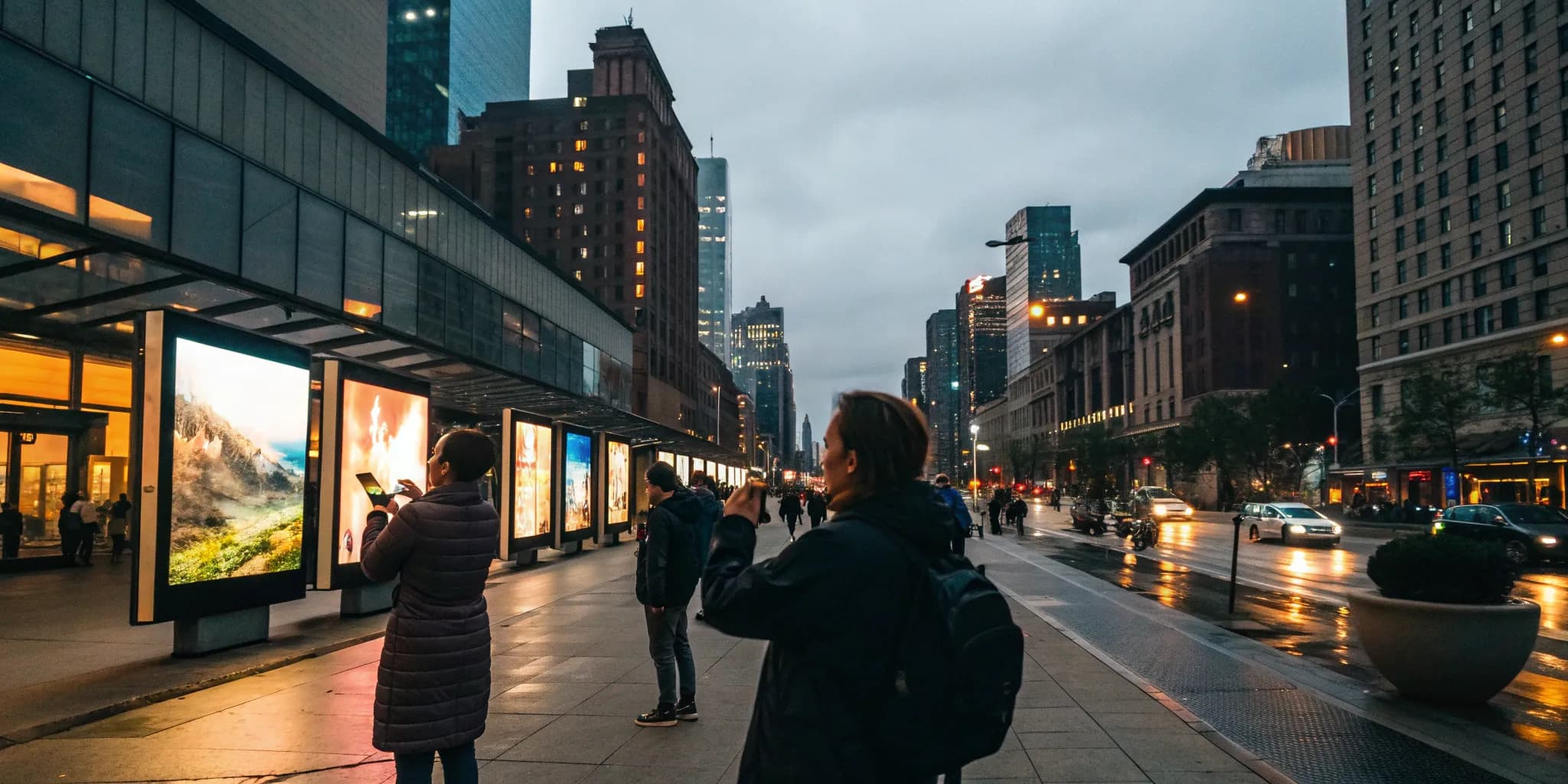
For years, the biggest question mark hanging over out-of-home advertising was measurement. Marketers need to justify every dollar of their spend, and without clear data, it’s tough to prove ROI. But that old perception no longer matches reality. Modern place based media advertising is a data-driven channel that offers clear, actionable insights into campaign performance. Using tools like anonymized mobile location data and direct-response tracking, you can now connect physical ad exposure to real-world outcomes, from increased foot traffic to online conversions. It’s time to move beyond impressions and focus on the tangible results that prove your advertising is working.
Key Takeaways
- Connect with People in Their Daily Routines: Place-based media reaches consumers in high-dwell-time environments like gyms and doctor's offices, where they are more receptive to your message than when they're just passing a billboard.
- Make Your Digital Strategy Stronger with Real-World Ads: Integrate your campaigns by using physical ads to drive online actions. Modern attribution tools can track foot traffic and digital conversions, proving how your place-based ads contribute to results.
- Simplify Your Campaign with a Full-Service Partner: A turnkey partner handles everything from venue selection and installation to transparent performance reporting, giving you a single point of contact and ensuring a cohesive, accountable campaign.
What Is Place-Based Media Advertising?
Think of place-based media as advertising that meets people where they are. Instead of shouting from a billboard on the side of a highway, it starts a conversation in a specific physical location where your target audience spends their time—like a gym, a doctor's office, or a favorite coffee shop. It’s all about delivering a relevant message to people based on their real-world activities and surroundings. The goal is to create a natural connection between your ad and the audience’s immediate environment, making your brand part of their daily experience.
Place-Based Media vs. Traditional OOH
When people hear "out-of-home" (OOH) advertising, their minds usually jump to giant billboards. But the world of OOH is much bigger than that, including everything from ads on buses to digital screens in shopping centers. Place-based media is a powerful and distinct category within this broader landscape. While a traditional billboard might catch someone’s eye for a few seconds during their commute, place-based media targets people in environments where they spend more time and are more relaxed. This extended dwell time means your message has a better chance to sink in, reaching an attentive and receptive audience rather than one that’s just passing by at 65 miles per hour.
What Makes Place-Based Advertising Unique?
The real magic of place-based advertising is its ability to deliver highly targeted and contextually relevant messages. Because you know exactly where your audience is and what they’re likely doing, you can tailor your creative to the moment. An ad for a healthy snack feels right at home in a fitness center, just as a message about financial planning makes sense in an office building elevator. This alignment with the audience’s environment makes the ad feel less like an interruption and more like a helpful suggestion. This unique ability to create location-based OOH marketing campaigns that resonate with a specific time and place leads to much stronger engagement and brand recall.
Why Place-Based Media Gets Results
In a world saturated with digital ads, getting a consumer’s undivided attention feels like a monumental task. People have become experts at tuning out, scrolling past, and blocking online advertising. This is where place-based media changes the game. Instead of fighting for a split second of attention on a crowded screen, it connects with people during their daily routines—in moments when they are genuinely present and receptive. It’s a strategy that moves beyond impressions and focuses on making a real-world impact.
The power of place-based media lies in its ability to integrate a brand’s message into a consumer’s environment seamlessly. Think about the local gym, the doctor's waiting room, or a favorite cafe. These are high-dwell-time locations where people are not just passing by; they are spending time, and their attention is available. By placing ads in these contextually relevant settings, you’re not interrupting their day—you’re becoming a part of it. This fundamental difference is why place-based campaigns consistently deliver on key metrics, from audience engagement to return on investment. It's about reaching the right people at the right time, but also in the right frame of mind, which is something digital channels often struggle to achieve with the same level of precision and impact.
Reach a Truly Captive Audience
The term "captive audience" isn't about forcing people to see your ad; it's about meeting them in moments when they are naturally attentive. Place-based advertising puts your message in specific locations like grocery stores, fitness centers, and restaurants, catching people during their everyday activities. This makes your ads feel like a natural part of their surroundings rather than an intrusion. In these environments, consumers are often relaxed, waiting, or engaged in an activity, making them far more receptive to the messages around them. It’s an opportunity to connect without the digital noise and clutter that defines so much of modern advertising.
Drive Higher Engagement and Recall
When an ad is relevant to its environment, it sticks. Imagine seeing an ad for a new protein shake at the gym or a promotion for a family-friendly restaurant in a community center. The message resonates because it aligns with the consumer's current mindset and needs. This contextual relevance is why OOH ads are so memorable. In fact, studies show that nearly 80% of people take action after seeing an OOH ad. Because these messages are encountered in the physical world, they create a stronger mental imprint than a fleeting digital ad, leading to higher brand recall and consumer action.
Achieve a Better Return on Investment
Ultimately, marketing efforts need to deliver measurable results, and place-based media has a proven track record of performance. The targeted nature of this channel means less wasted ad spend and more efficient campaigns. You’re reaching your specific demographic in a predictable environment, which leads to a stronger return on investment. On average, OOH advertising delivers a return of nearly $5 for every dollar spent. By adding place-based media to your marketing mix, you can extend your reach and make your budget work harder, driving tangible outcomes for your brand.
Where Can You Run Place-Based Ads?
The real strength of place-based advertising isn’t just about the physical location—it’s about the mindset of the people in that location. Instead of shouting your message from a billboard on a busy highway, you get to have a one-on-one conversation with someone when they are most receptive. The right venue depends entirely on who you want to reach and what you want them to do. With a comprehensive network of venues, you can connect with almost any audience imaginable, from new parents at a pediatrician's office to business travelers in a hotel lobby. Let’s look at some of the most effective environments for place-based campaigns.
Fitness & Wellness Centers
When people are at the gym, they’re actively working on self-improvement. This creates a positive and aspirational mindset, making them incredibly receptive to brands that align with a healthy lifestyle. Think beyond protein powders and athletic wear. Brands in the nutrition, CPG, personal care, and even financial wellness sectors can find a captive audience here. With high dwell times and daily repeat traffic, fitness centers are ideal for building brand familiarity and trust. Ads placed on digital screens, in locker rooms, or near water fountains become a natural part of the member’s routine, connecting your message with their personal goals.
Healthcare Facilities
Waiting rooms in clinics, hospitals, and pharmacies are high-dwell-time environments where people are focused on their health and well-being. This makes them one of the most powerful settings for place-based advertising, especially for healthcare and pharmaceutical brands. Because these are trusted spaces, messages are often received with less skepticism than in other media environments. You can effectively communicate complex health information, promote wellness services, or offer solutions that cater directly to a patient’s needs. The key is to provide relevant, helpful content that adds value to their experience while they wait.
Restaurants & Hospitality Venues
In restaurants, bars, and hotels, you’re reaching people when they are relaxed, socializing, and open to new experiences. This laid-back atmosphere lowers the natural barriers most of us have toward advertising. Patrons are looking for things to talk about or distractions while they wait, making them more likely to engage with well-placed messages. These venues are perfect for promoting entertainment, travel, local events, and consumer goods like beverages or dating apps. From table tents and custom coasters to digital jukebox screens, you can integrate your brand into the social fabric of the location.
Community & Recreational Spaces
Community centers, libraries, golf courses, and local sports complexes are the heart of a neighborhood. Advertising here allows you to build genuine connections with residents on their home turf. These venues are hubs for local engagement, offering a unique opportunity for brands to demonstrate their community involvement. This is an excellent strategy for local businesses, public health initiatives, political campaigns, and family-focused brands. By showing up in these trusted, familiar environments, your message becomes a welcome piece of the local landscape rather than an intrusion, helping you build brand affinity from the ground up.
Retail & Shopping Environments
Reaching consumers at or near the point of purchase is the final-mile sprint of marketing. Place-based ads in grocery stores, convenience stores, and shopping malls allow you to influence buying decisions when it matters most. Shoppers are already in a purchasing mindset, actively looking for products and solutions. This is a prime opportunity to introduce a new product, remind them of a need, or steer them away from a competitor. By placing your message directly on their path to purchase—whether at the entrance, down an aisle, or at the checkout counter—you can deliver the final nudge that turns consideration into a sale.
Which Industries Benefit Most from Place-Based Ads?
The real power of place-based advertising is its ability to match a message to a moment. While almost any brand can find a relevant venue, some industries are perfectly positioned to benefit from this contextual alignment. By reaching people when they are in a specific mindset—whether it’s focused on health, family, or finances—these industries can create a much deeper connection than they could with traditional ads. It’s about being part of the consumer’s environment in a way that feels natural and helpful, not disruptive.
Healthcare & Pharmaceutical Brands
Healthcare and pharmaceutical brands need to reach patients and caregivers in a trusted, informative setting. Place-based media offers the perfect solution by placing messages directly in high-dwell-time locations like doctors' offices, clinics, pharmacies, and fitness centers. In these environments, health is already top-of-mind, making your audience more receptive to information about wellness products, new treatments, or health services. Imagine reaching a patient in a waiting room, where they have the time and focus to actually absorb your message. This is how you can effectively educate specific audiences and build brand credibility when it matters most.
Consumer Packaged Goods
For CPG brands, success often comes down to influencing decisions at or near the point of purchase. Place-based advertising allows you to do just that. By running campaigns in grocery stores, convenience stores, gyms, and community centers, you can introduce a new product or remind a consumer to add your item to their list. An ad for a healthy snack is more compelling inside a fitness center, just as a message about a new cleaning product resonates in a family-focused community space. This strategy helps you stay top-of-mind and can directly drive product trials and sales by reaching consumers in the final stages of their purchasing journey.
Quick-Service Restaurants
QSRs thrive on impulse and convenience. Place-based media is ideal for capturing customers when they’re thinking about their next meal. You can drive lunchtime traffic by advertising in nearby office buildings or attract post-game crowds by placing ads in local sports complexes and community centers. The goal is to intercept people during their daily routines and present your restaurant as the easy, appealing choice. By targeting venues based on proximity and daily schedules, QSRs can deliver timely offers that turn consideration into a visit, effectively steering foot traffic directly to their locations when customers are most hungry.
Financial Services
Trust and relevance are everything in the financial industry. Place-based advertising allows financial service brands to connect with specific demographics in environments where they feel comfortable. You can reach high-net-worth individuals with wealth management ads in private clubs and golf courses, or connect with young families about savings plans in community centers and pediatric offices. This targeted approach helps you build brand awareness with the right audience in a context that aligns with their lifestyle and financial needs. It’s a subtle way to show that you understand your customer, building the foundation of trust with a reliable advertising partner.
How to Approach Common Place-Based Media Challenges
Like any effective advertising strategy, place-based media comes with its own set of considerations. But don’t think of them as roadblocks—think of them as opportunities to be more strategic, creative, and thoughtful in your approach. When you understand the landscape, you can plan campaigns that are not only powerful but also responsible and respectful of the consumer experience. Getting ahead of these common challenges is what separates a good campaign from a great one, ensuring your message resonates and your investment delivers real, measurable results.
Address Privacy and Compliance
In a world where consumer privacy is paramount, it’s natural to ask how place-based media handles data. The good news is that effective measurement doesn’t require compromising personal information. Modern tracking methods use aggregated and anonymized mobile location data to understand audience movement and behavior without identifying individuals. By analyzing these large-scale patterns, you can see when someone is exposed to an ad and later visits a store or website. When you work with a reputable partner, you can be confident that all data practices are transparent and fully compliant with privacy regulations, building trust with both your brand and your audience.
Ensure Your Data Is Accurate
A successful campaign depends on solid data. Without it, you’re just guessing. The key is to move beyond vanity metrics and focus on what truly matters: accurate device observations, verified traffic trends, and tangible proof of performance. Your media partner should provide clear, detailed reporting that confirms your ads were placed correctly and seen by the right people. This level of accountability is crucial for measuring success and justifying your ad spend. Insist on transparent reporting that gives you a true picture of your campaign’s impact in the real world.
Prevent Ad Fatigue
We’ve all experienced ad fatigue online—the same banner ad following you from site to site until you tune it out completely. Place-based media offers a refreshing alternative. Because these ads are integrated into a person’s daily routine in a specific physical space, they feel more like a relevant discovery than an interruption. The key to keeping them effective is a smart creative strategy. By tailoring your message to the venue and rotating your creative, you can ensure your campaign stays fresh and continues to capture attention. This approach helps drive immediate responses without overwhelming your audience.
Be Mindful of the Context
The single greatest strength of place-based media is its contextual relevance, and getting it right is essential. An ad’s message is amplified when it aligns perfectly with the viewer’s environment and mindset. For example, a CPG brand advertising healthy snacks in a fitness center is a natural fit; the same ad in a doctor’s waiting room might not land as well. This is where a deep understanding of different venue types becomes critical. A strategic partner will help you select locations where your message not only reaches your target audience but does so at a moment when they are most receptive to it.
How Place-Based Media Complements Your Digital Strategy
Digital advertising is a cornerstone of modern marketing, but it doesn’t exist in a vacuum. To build a truly effective campaign, you need to connect with people both online and off. This is where place-based media shines. Instead of competing with digital, it acts as a powerful amplifier, reinforcing your message in the real world to drive stronger results online. By pairing the two, you can create a cohesive brand experience, reach audiences in moments digital can’t, and build integrated campaigns that deliver measurable impact.
Create a Seamless Omnichannel Experience
An omnichannel strategy creates a consistent customer experience, and place-based media is a key piece of that puzzle. When someone sees your ad at their local gym, it creates a memorable, real-world touchpoint. Later, when they encounter your brand online, it feels familiar and credible, building trust. You can also use your physical ads to create a direct bridge to your digital channels. Simple additions like QR codes or custom URLs guide customers smoothly from offline interest to online engagement, making the journey seamless.
Extend Your Reach Beyond Digital Channels
Digital fatigue is a real challenge. Consumers are bombarded with online ads, leading many to tune them out or use ad blockers. Place-based advertising helps you sidestep this digital noise by connecting with people during screen-free moments. Think about the high-dwell-time environments in our extensive network—like a doctor's waiting room or a restaurant. In these contexts, your message is part of the physical environment, not just another pop-up. This allows you to reach valuable audiences who are more receptive when they’re relaxed and engaged in their surroundings.
Integrate Your Campaigns Across Channels
The real power of this combination lies in creating a measurable feedback loop. This isn't about running two campaigns in parallel; it's about making them work together. Use your place-based ads to promote a unique discount code or drive traffic to a specific landing page to track how physical media influences online conversions. You can also leverage geofencing to serve targeted digital ads to mobile devices that were in your venues. This type of omnichannel marketing reinforces your message and gives you clear data to prove campaign effectiveness.
How to Measure Place-Based Ad Performance
One of the first questions marketers ask about any physical advertising is, "How can I prove it's working?" It's a fair question, especially for those accustomed to the instant feedback of digital clicks and conversions. For years, traditional out-of-home measurement relied on broad estimates, leaving a lot of room for guesswork. But modern place-based media is a completely different ballgame. Thanks to better data and smarter technology, you can now get clear, actionable insights that show exactly how your campaigns are influencing customer behavior and contributing to your bottom line.
Measuring place-based media effectively isn't about trying to replicate digital metrics one-for-one. Instead, it's about building a holistic view of the customer journey, understanding how real-world touchpoints drive both online and offline actions. The key is to establish a solid measurement framework from the start. This involves moving beyond simple impressions to focus on the outcomes that matter most to your brand—whether that's driving foot traffic, increasing sales, or shifting brand perception. By focusing on the right performance metrics, using modern attribution tools, and staying agile enough to make smart adjustments, you can confidently demonstrate the value of your investment.
Track the Right Performance Metrics
To understand your campaign's true impact, you need to look beyond impressions. The most meaningful metrics for place-based media are tied to real-world actions and changes in consumer perception. For example, you can measure foot traffic lift to see if more people visited your retail location after your campaign launched in a nearby community center. You can also analyze audience demographics and dwell time within the venue to confirm you’re reaching the right people when they’re most receptive. For a deeper look at brand impact, post-campaign brand lift studies and consumer surveys can measure changes in awareness, recall, and purchase intent.
Use the Right Attribution Models and Tools
Connecting a physical ad to a specific action is the key to proving ROI. Thankfully, you have several tools at your disposal to build this bridge. Simple, direct-response mechanisms like QR codes, unique promotional codes, or custom landing page URLs printed on the ad creative make it easy to track engagement. For a more sophisticated approach, you can use marketing attribution models that leverage anonymized mobile location data. This technology helps you understand when a consumer who was exposed to your ad in a doctor's office later visits your website or walks into your pharmacy, connecting the dots between physical exposure and conversion.
Optimize Your Campaign as It Runs
Measurement isn't just a final report card—it's an ongoing process that should guide your strategy. The data you gather from your place-based ads provides the insights you need to make your campaign even more effective over time. If you’re running ads on digital screens, you can A/B test different creatives to see which message resonates most. For static placements, you might find that ads in fitness centers are driving more traffic than those in cafes. A great media partner will provide you with regular, transparent reporting that allows you to optimize your campaign by reallocating budget to your top-performing venues and messages.
What to Look for in a Place-Based Media Partner
Choosing a place-based media partner is one of the most critical decisions you'll make for your campaign. It’s about more than just buying ad space; it’s about finding a strategic ally who understands your brand, your audience, and your goals. The right partner acts as an extension of your own team, bringing deep industry expertise and handling the complex logistics so you can focus on the bigger picture. They can be the difference between a campaign that simply runs and one that truly resonates with consumers and delivers measurable results.
When you're vetting potential partners, it's easy to get lost in the details of venue lists and pricing sheets. But the most successful partnerships are built on a foundation of trust, capability, and transparency. To find a partner who will set your campaign up for success, you need to look for a few key qualities that separate the best from the rest. Specifically, focus on the breadth and quality of their network, their ability to manage your campaign from start to finish, and their commitment to providing clear, accountable reporting. These three pillars are the bedrock of any effective place-based media strategy.
A Comprehensive, Nationwide Network
Your campaign’s success depends on reaching the right people in the right places, whether you’re targeting a few specific neighborhoods or launching a nationwide initiative. A strong partner should offer access to a diverse range of venues across every major market. This ensures you have the flexibility to build a custom campaign that aligns perfectly with your audience's daily routine. Look beyond just the number of locations; ask about the types of venues they offer—from fitness centers and healthcare facilities to restaurants and community hubs—to ensure they can connect you with your specific target demographic in a meaningful context. A vast and varied network is the foundation for a truly targeted campaign.
End-to-End Campaign Management
Your time is valuable, and juggling multiple vendors for a single campaign is inefficient. That’s why you should look for a partner who provides a complete, turnkey service. This means they handle every single aspect of your campaign, from the initial strategy and venue selection to creative production, nationwide installation, and ongoing management. A full-service advertising partner acts as your single point of contact, ensuring a smooth, accountable process from start to finish. This integrated approach not only saves you headaches but also leads to a more cohesive and effective campaign, as every element is managed by one expert team focused on your success.
Transparent Reporting and Clear Accountability
How will you know if your campaign is working? A top-tier partner will never leave you guessing. Clear, transparent reporting is non-negotiable. You need a partner who provides data-driven insights and comprehensive proof-of-performance reporting that demonstrates the value of your investment. This goes beyond a simple photo of your ad on a wall. Look for detailed reports that include verified installation photos, third-party audits, and metrics tied directly to your campaign goals. This level of accountability builds trust and gives you the concrete data needed to measure ROI and make informed decisions for future campaigns.
How to Get Started with Place-Based Advertising
Launching a successful place-based advertising campaign comes down to a clear, strategic approach. It’s about connecting your brand with the right people in the right physical spaces where they’re already spending their time. By focusing on a few foundational steps, you can build a campaign that not only reaches your audience but resonates with them in meaningful moments. Here’s how to lay the groundwork for your first campaign.
Define Your Audience and Campaign Goals
Before you even think about specific locations, you need to be crystal clear on two things: who you’re trying to reach and what you want to accomplish. Start by developing a detailed profile of your ideal customer. Where do they go throughout their day? What are their habits and interests? This is where place-based media shines, as it puts your message in front of people based on where they are and what they’re doing. Next, set specific, measurable goals. Are you aiming to build brand awareness, drive foot traffic to a retail location, or encourage trial of a new product? Your goals will shape your creative message and help you measure success later on.
Select the Right Mix of Venues
Once you have a solid understanding of your audience, you can start mapping out the venues where they live, work, and play. For instance, a pharmaceutical brand promoting allergy medication would find a receptive audience in doctors' offices and pharmacies. A quick-service restaurant could target college students in campus centers and local hangouts. The most effective ads feel like a natural part of the environment. A great partner will help you build a custom network of locations that aligns perfectly with your audience and ensures your message feels relevant, not intrusive. This strategic venue selection is the key to reaching people when they are most receptive to your message.
Plan Your Budget and Timeline
Place-based advertising is more accessible than you might think and can be scaled to fit various budgets. Your investment will depend on factors like the number of venues, the campaign's duration, and the ad formats you choose. Work backward from your desired launch date to create a realistic timeline that includes creative development, production, and installation. Finally, establish how you will measure success from the start. By defining your key performance indicators (KPIs) upfront—whether that’s website visits, coupon redemptions, or brand lift—you and your partner can track performance and demonstrate a clear return on your investment.
Related Articles
- Out of Home Place Based Media Advertising
- Place Based Media Archives - Digital Out of Home Advertising-All Points Media
- Place Based Media Archives - Digital Out of Home Advertising-All Points Media
- CDC - Digital Out of Home Advertising-All Points Media
- SCH 2 - Digital Out of Home Advertising-All Points Media
Frequently Asked Questions
How is this different from just putting up posters in local businesses? That’s a great question because it gets to the heart of the strategy. While anyone can put up a flyer, a professional place-based campaign is about precision and scale. We build a custom network of venues based on your specific audience data, ensuring your message appears in dozens or even hundreds of the right locations. We also handle all the logistics, from printing and professional installation to providing clear proof that your ads are live, giving you an accountable and cohesive campaign that a DIY approach simply can't match.
Is place-based advertising only for big national brands with huge budgets? Not at all. One of the best things about place-based media is its flexibility. It’s just as effective for a local business targeting a few specific neighborhoods as it is for a national brand launching a country-wide campaign. Because the strategy is so targeted, you can scale your investment to fit your goals and budget, ensuring your ad spend is focused on reaching the exact people you want to connect with, without any waste.
How do you actually prove my ads were installed and seen? Accountability is everything. We provide comprehensive proof-of-performance reporting for every campaign. This includes time-stamped photos of each installation so you can see exactly how your creative looks in every single venue. For digital campaigns, we provide detailed playback reports. This transparent process gives you complete confidence that your campaign is running exactly as planned and reaching your intended audience.
Can I target a very specific area, like a single neighborhood or zip code? Absolutely. Hyper-local targeting is one of the greatest strengths of place-based media. Whether you want to reach people in a few specific zip codes, a single downtown district, or the neighborhoods surrounding a new store location, we can build a campaign that focuses precisely on that area. This allows you to concentrate your message where it will have the most impact, speaking directly to a specific community.
How long does it typically take to get a campaign up and running? The timeline can vary depending on the scale of your campaign, but we generally work on a four-to-six-week schedule from start to finish. This gives us enough time for strategic planning and venue selection, as well as creative production, printing, and shipping. Our team manages the entire process, so once we have your approval, we handle all the moving parts to ensure a smooth and timely launch.